What It Was Like Working in a Civil War Field Hospital
video description
Date: 2022-12-29
Related videos




Comments and reviews: 20
Matthew
6: 50
Actually, the south would use something they had in abundance: cotton.
They would take wads of cotton and use it to dress wounds then discard the spent section, which actually aided in _improving_ mortality rates by reducing the chance of infection spread. Similarly, the southern surgeons substituted twine (often used for sewing amputation wounds) with horse hairs boiled in water. This, again, resulted in a reduction in infection rate and improved the chances of survival.
In fact, mortality rates in southern hospitals was lower than that of northern hospitals. The hospital with the lowest morality rate was Chimborazo hospital in Richmond, Virginia (the capital of the Confederacy, which had a mortality rate of 8. 3-10. 3%.
reply
6: 50
Actually, the south would use something they had in abundance: cotton.
They would take wads of cotton and use it to dress wounds then discard the spent section, which actually aided in _improving_ mortality rates by reducing the chance of infection spread. Similarly, the southern surgeons substituted twine (often used for sewing amputation wounds) with horse hairs boiled in water. This, again, resulted in a reduction in infection rate and improved the chances of survival.
In fact, mortality rates in southern hospitals was lower than that of northern hospitals. The hospital with the lowest morality rate was Chimborazo hospital in Richmond, Virginia (the capital of the Confederacy, which had a mortality rate of 8. 3-10. 3%.
reply
Tom
The surgeons did what they could with their limited knowledge. Just 10 years after the war germ theory was discovered and looking back many of them were horrified at how they operated. However 70% of amputees survived. It was the very first war with general anesthesia administered which allowed surgeons to tie off blood vessels and smooth off the bone that allowed the stump to be fitted with prosthetics. Still, it was common (at least early on) for wounded soldiers to lie on the battlefield for days without food, water, or any painkillers before finally getting care.
reply
The surgeons did what they could with their limited knowledge. Just 10 years after the war germ theory was discovered and looking back many of them were horrified at how they operated. However 70% of amputees survived. It was the very first war with general anesthesia administered which allowed surgeons to tie off blood vessels and smooth off the bone that allowed the stump to be fitted with prosthetics. Still, it was common (at least early on) for wounded soldiers to lie on the battlefield for days without food, water, or any painkillers before finally getting care.
reply
Rion
It wasn't just slavery why the south rebelled, the other reasons were Taxes, State rights, and economical reasons. The south was much, much poorer than the North. Also only the high-tier middle class and up had plantations, not everyone owned slaves. The North also had more industrialization therefore more $ per capita which could afford the taxes put out by DC. I learned this when i went to a school south of the Mason-Dixon line, as the Northern schools i went to preached that Slavery was the main reason. (It was one of the reasons, but only for the higher-ups)
reply
It wasn't just slavery why the south rebelled, the other reasons were Taxes, State rights, and economical reasons. The south was much, much poorer than the North. Also only the high-tier middle class and up had plantations, not everyone owned slaves. The North also had more industrialization therefore more $ per capita which could afford the taxes put out by DC. I learned this when i went to a school south of the Mason-Dixon line, as the Northern schools i went to preached that Slavery was the main reason. (It was one of the reasons, but only for the higher-ups)
reply
Tiffany
During the Battle of Hanover, the Union set up a field hospital at my 4th great -grandfathers saddle shop. My 3rd great -grandmother was about 13 at the time. She would tell stories of screaming soldiers having legs and arms amputated and dipped in tar to stop the bleeding. The only anesthesia the soldiers had was to get drunk as possible before surgery. She attended the Gettysburg Address and actually got to meet and shake hands with Abraham Lincoln. Every house she lived in always had a photo of Abraham Lincoln in the window.
reply
During the Battle of Hanover, the Union set up a field hospital at my 4th great -grandfathers saddle shop. My 3rd great -grandmother was about 13 at the time. She would tell stories of screaming soldiers having legs and arms amputated and dipped in tar to stop the bleeding. The only anesthesia the soldiers had was to get drunk as possible before surgery. She attended the Gettysburg Address and actually got to meet and shake hands with Abraham Lincoln. Every house she lived in always had a photo of Abraham Lincoln in the window.
reply
Jason
People believe that anesthesia wasn't used because a lot of times it wasn't. Especially in southern field hospitals, there wasn't a supply of chloroform. There were many documented cases were soldiers passed out from the pain, or were so exhausted that they slept through the surgery. Norther field hospitals were better supplied mostly, but there were times that the demand overwhelmed the supply and soldiers faced the same issues as their southern counterparts
reply
People believe that anesthesia wasn't used because a lot of times it wasn't. Especially in southern field hospitals, there wasn't a supply of chloroform. There were many documented cases were soldiers passed out from the pain, or were so exhausted that they slept through the surgery. Norther field hospitals were better supplied mostly, but there were times that the demand overwhelmed the supply and soldiers faced the same issues as their southern counterparts
reply
Matthew
If anyone is ever interested in learning more about the men who were treated unsuccessfully, Oakwood Cemeterys Confederate Section is where 16, 000 of them were buried. Many of the men buried there have names attached to them and some of the records (including medical and muster roll records) still survive to this day.
If you do go there, it might help give you an idea of the sheer scale of the war around Richmond and central Virginia.
reply
If anyone is ever interested in learning more about the men who were treated unsuccessfully, Oakwood Cemeterys Confederate Section is where 16, 000 of them were buried. Many of the men buried there have names attached to them and some of the records (including medical and muster roll records) still survive to this day.
If you do go there, it might help give you an idea of the sheer scale of the war around Richmond and central Virginia.
reply
Dawn
Contemplating death on the battlefield is a gruesome pastime. Imagine waking out of a blast, the regiment has moved on without cha and one realizes as theirs is not a head injury they cannot get up and leave due to mortal wounds. Thus you lay in the out of doors weather, listening to your dying companions all around until they fade. Feeling numbness come over as the specter of death closes in. terrible ending for anyone.
reply
Contemplating death on the battlefield is a gruesome pastime. Imagine waking out of a blast, the regiment has moved on without cha and one realizes as theirs is not a head injury they cannot get up and leave due to mortal wounds. Thus you lay in the out of doors weather, listening to your dying companions all around until they fade. Feeling numbness come over as the specter of death closes in. terrible ending for anyone.
reply
George
This type of video needs to stop! The scholarship is shoddy at best and completely incorrect in many aspects. The casualty numbers were not over one million, the hype about shortage of supplies, and the the ignorance of medical innovations make this a terrible video. Go to the National Museum of Civil War Medicine or the Army Medical Department Museum and learn the truth. This video is not worth your time.
reply
This type of video needs to stop! The scholarship is shoddy at best and completely incorrect in many aspects. The casualty numbers were not over one million, the hype about shortage of supplies, and the the ignorance of medical innovations make this a terrible video. Go to the National Museum of Civil War Medicine or the Army Medical Department Museum and learn the truth. This video is not worth your time.
reply
Matthew
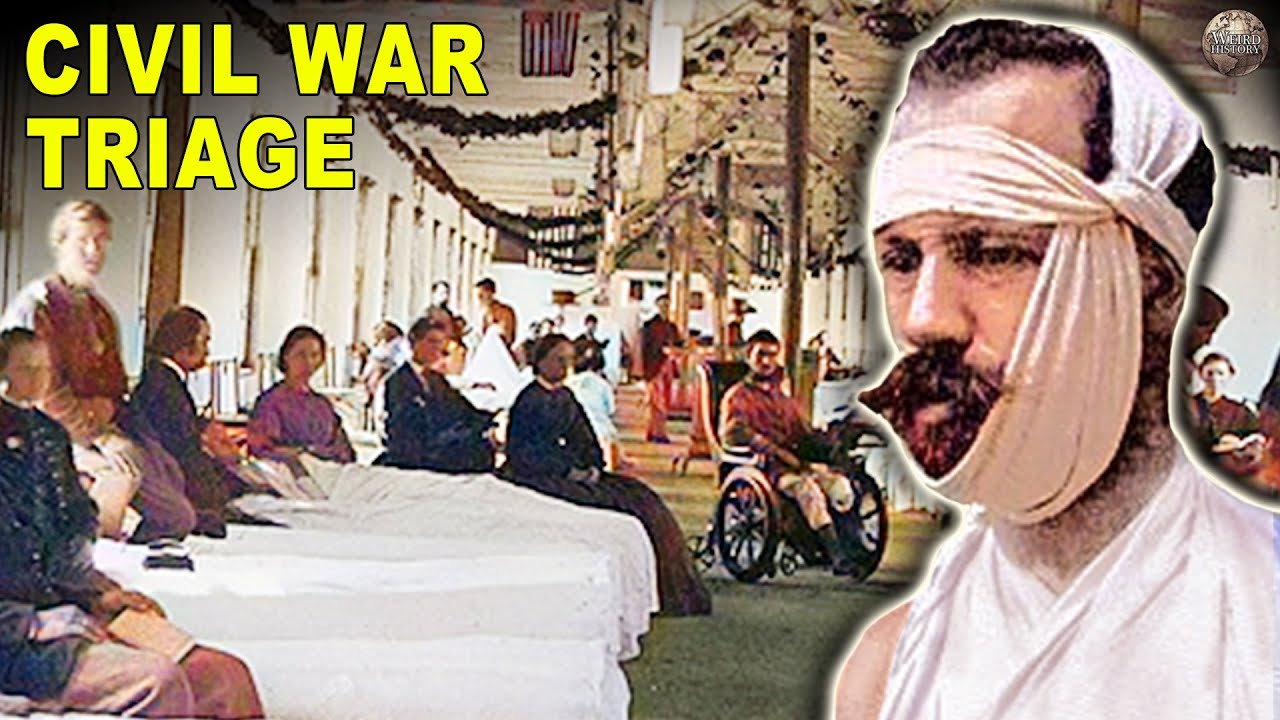
I noticed something you forgot to include: the image of an active field hospital.
More specifically, you forgot to include the photograph of the field hospital at Savages Station, which, when the photograph was taken, was a day before the facility (and the station) would be assaulted by confederate forces during the Seven Days Battles in the Battle of Savages Station.
reply
I noticed something you forgot to include: the image of an active field hospital.
More specifically, you forgot to include the photograph of the field hospital at Savages Station, which, when the photograph was taken, was a day before the facility (and the station) would be assaulted by confederate forces during the Seven Days Battles in the Battle of Savages Station.
reply
Tonya
Showing a photo of McClellan while narrating about tough decisions was rather amusing. The minie ball (which resemble the cannons in Mario 3) were vicious in blowing out flesh and shattering bones. The remains of amputated arms and legs are shattered and split down the bone. Some even carry the minie ball still wedged in the bone. It's a sobering sight to see.
reply
Showing a photo of McClellan while narrating about tough decisions was rather amusing. The minie ball (which resemble the cannons in Mario 3) were vicious in blowing out flesh and shattering bones. The remains of amputated arms and legs are shattered and split down the bone. Some even carry the minie ball still wedged in the bone. It's a sobering sight to see.
reply
Guy
During my genealogy research years ago I discovered one of my ancestors in the 101st Pennsylvania Infantry had barely survived fighting at Gettysburg. His health was never quite the same after that battle and his wife had to help him get around.
I honor all of our ancestors who served on both sides of the line in the sand during the War Between The States.
reply
During my genealogy research years ago I discovered one of my ancestors in the 101st Pennsylvania Infantry had barely survived fighting at Gettysburg. His health was never quite the same after that battle and his wife had to help him get around.
I honor all of our ancestors who served on both sides of the line in the sand during the War Between The States.
reply
Andrew
I think if you are anti Vax than your Healthcare should be given by someone with the same level of training and done to the standards of the era you claim was so great. Have your beliefs, I won't stop you, but you can die on that hill with a bottle of liquor and unclean medical equipment in close proximity
reply
I think if you are anti Vax than your Healthcare should be given by someone with the same level of training and done to the standards of the era you claim was so great. Have your beliefs, I won't stop you, but you can die on that hill with a bottle of liquor and unclean medical equipment in close proximity
reply
YellowBrickExpat
When I lived in Northern Virginia, my new apartment building was right next to an old house that seemed so random and out of place given the rest of the neighborhood. Eventually I took a walk to go see what the house was. It was a Civil War field hospital marked by the historical registry.
reply
When I lived in Northern Virginia, my new apartment building was right next to an old house that seemed so random and out of place given the rest of the neighborhood. Eventually I took a walk to go see what the house was. It was a Civil War field hospital marked by the historical registry.
reply
education
This is a what if question but what would happen if someone say in 2018 was a person who had more knowlegde about medicine who could time travel and brought medical supplies to the north and south of the civil war. What do you think would happen to all the patients and doctors?
reply
This is a what if question but what would happen if someone say in 2018 was a person who had more knowlegde about medicine who could time travel and brought medical supplies to the north and south of the civil war. What do you think would happen to all the patients and doctors?
reply
Benson
Chloroform and ether had not only been invented by the time the civil war broke out, they were used in almost all hospital surgeries by then as well. It was only surgeries done directly following a battle that you may have to go without since it just might not be on hand.
reply
Chloroform and ether had not only been invented by the time the civil war broke out, they were used in almost all hospital surgeries by then as well. It was only surgeries done directly following a battle that you may have to go without since it just might not be on hand.
reply
billyyank
9: 39 The concept of Grant being drunk in battle is a common myth. After the Mexican War, a drinking episode cost him his Army career. For that reason, he forced himself to stay away from alcohol during the Civil War whenever he was in active command.
reply
9: 39 The concept of Grant being drunk in battle is a common myth. After the Mexican War, a drinking episode cost him his Army career. For that reason, he forced himself to stay away from alcohol during the Civil War whenever he was in active command.
reply
Adams
My grandfather was put under with Chloroform for kidney stone surgery. Back when they had to cut you open for stones.
Thank god I was born after significant medical advances, or Id probably be dead by now; especially with as many stones as Ive had.
reply
My grandfather was put under with Chloroform for kidney stone surgery. Back when they had to cut you open for stones.
Thank god I was born after significant medical advances, or Id probably be dead by now; especially with as many stones as Ive had.
reply
education
Not surprised about the turpentine. It was used as a remedy for a few things, especially against parasites. however, if taken incorrectly without consideration for dosage, it can do extensive damage to the lungs among other problems.
reply
Not surprised about the turpentine. It was used as a remedy for a few things, especially against parasites. however, if taken incorrectly without consideration for dosage, it can do extensive damage to the lungs among other problems.
reply
Guy
I own a pair of Confederate battlefield dropped field glasses from Gettysburg. You can see where a three ring minie or other type of bullet hit one side of them. My purchase didn't include the leather case for them and the strap was gone.
reply
I own a pair of Confederate battlefield dropped field glasses from Gettysburg. You can see where a three ring minie or other type of bullet hit one side of them. My purchase didn't include the leather case for them and the strap was gone.
reply
Trey
Actually the rumors of Grant being constantly drunk have been debunked. He did not drink anywhere near the amount that has been attributed to him.
Yes, he did enjoy his booze but he only drank it when it was an appropriate time.
reply
Actually the rumors of Grant being constantly drunk have been debunked. He did not drink anywhere near the amount that has been attributed to him.
Yes, he did enjoy his booze but he only drank it when it was an appropriate time.
reply
Add a review, comment
Other channel videos