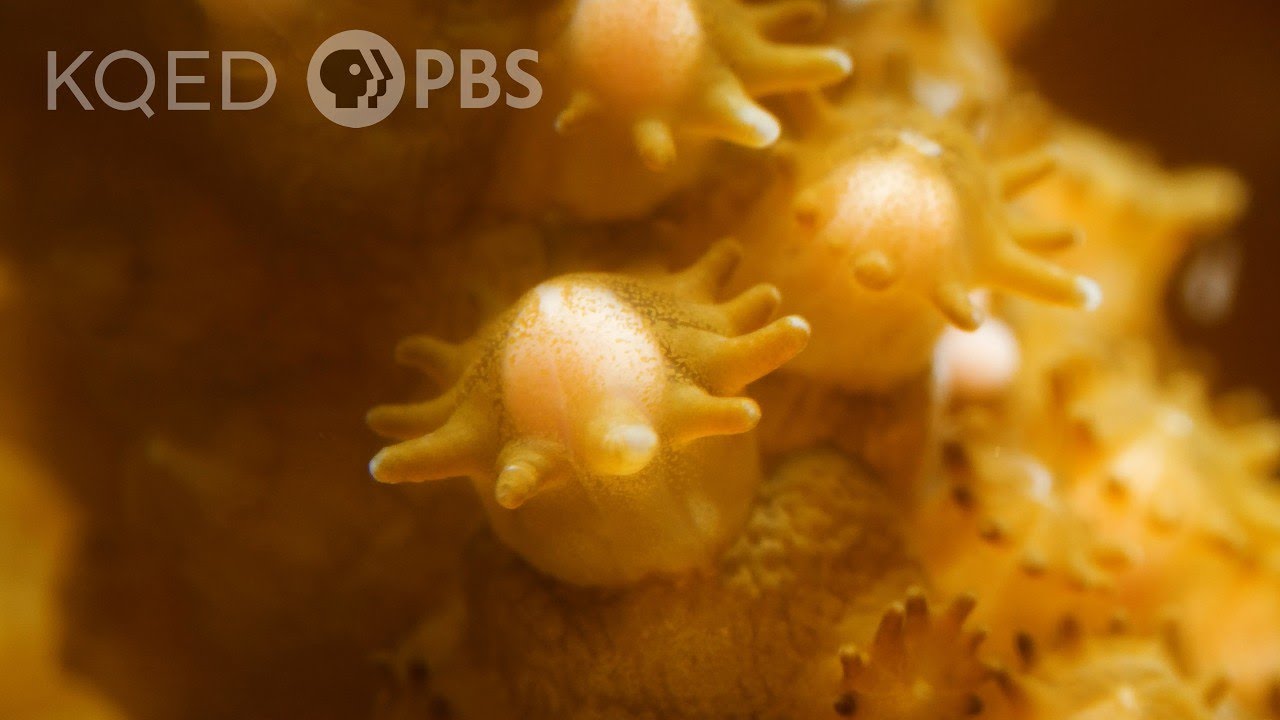
To Survive, Corals Turn the Ocean into a Giant Snow Globe
video description
Date: 2024-02-06
Related videos





Comments and reviews: 5
zooemperor3954
So the light of a waning moon is a factor I generally thought it was a full moon. You learn something new every day. And hopefully we can protect coral reefs from dying off.
Thanks Deep Look! Can’t wait to see more.
reply
So the light of a waning moon is a factor I generally thought it was a full moon. You learn something new every day. And hopefully we can protect coral reefs from dying off.
Thanks Deep Look! Can’t wait to see more.
reply
yashnigam2704
You can feel the scientists here truly love and care what they do. Thank you for giving us a view of the world which many of us won't be able to see live throughout our lifetimes. Love from India.
reply
You can feel the scientists here truly love and care what they do. Thank you for giving us a view of the world which many of us won't be able to see live throughout our lifetimes. Love from India.
reply
deeplook
Coral are one of the worlds first animals, they have survived 5 mass extinctions. It should mean more to us that this incredibly resilient species cannot keep up with human-accelerated climate change.
reply
Coral are one of the worlds first animals, they have survived 5 mass extinctions. It should mean more to us that this incredibly resilient species cannot keep up with human-accelerated climate change.
reply
liveinamber1307
Based on the title alone, I thought corrals were somehow responsible for freezing the poles. 'w
Although. based on the video, maybe they should.
reply
Based on the title alone, I thought corrals were somehow responsible for freezing the poles. 'w
Although. based on the video, maybe they should.
reply
markembeck7099
You keep outdoing yourselves - videography, narration and music composition are outstanding! Thanks for the wonderful production!
reply
You keep outdoing yourselves - videography, narration and music composition are outstanding! Thanks for the wonderful production!
reply
Add a review, comment
Other channel videos